HIV Self-Testing at Home: A Practical Guide
HIV self-testing at home offers a private and convenient way to check your status without an immediate clinic visit. Since the WHO first recommended HIV self-testing in 2016 as an additional approach, millions of people worldwide have used these kits to gain clarity on their health. The process is straightforward, uses either oral fluid or a small blood sample from a finger prick, and can bring peace of mind when done correctly. Many ordinary people choose self-testing because it fits busy lives, reduces anxiety about visiting health services, and encourages regular checking.
Self-testing works best as part of a broader prevention strategy. It does not replace professional care but serves as a helpful first step. A non-reactive result can be reassuring if enough time has passed since possible exposure. Remember that antibody-based self-tests have the longest window period, meaning they can take 23 to 90 days after exposure to detect HIV according to CDC guidance. Knowing this timing helps you interpret results accurately and decide when to test again if needed.
Who self-testing suits
Self-testing is particularly suitable for people who feel comfortable managing the process on their own and prefer privacy. It fits well for those with limited time, living in remote areas, or who experience stigma around clinic visits. Many adults who have had potential exposure through sex or shared equipment find it a low-pressure entry point to knowing their status. However, it may not be ideal for everyone, especially adolescents or individuals who might need immediate emotional support after receiving results.
The approach aligns with efforts to make testing more accessible. People who already understand basic HIV facts and can follow clear instructions tend to have the best experience. If you live with a partner or have ongoing risk factors, regular self-testing can become part of a routine that supports both your health and your relationships.
How to prepare for the test
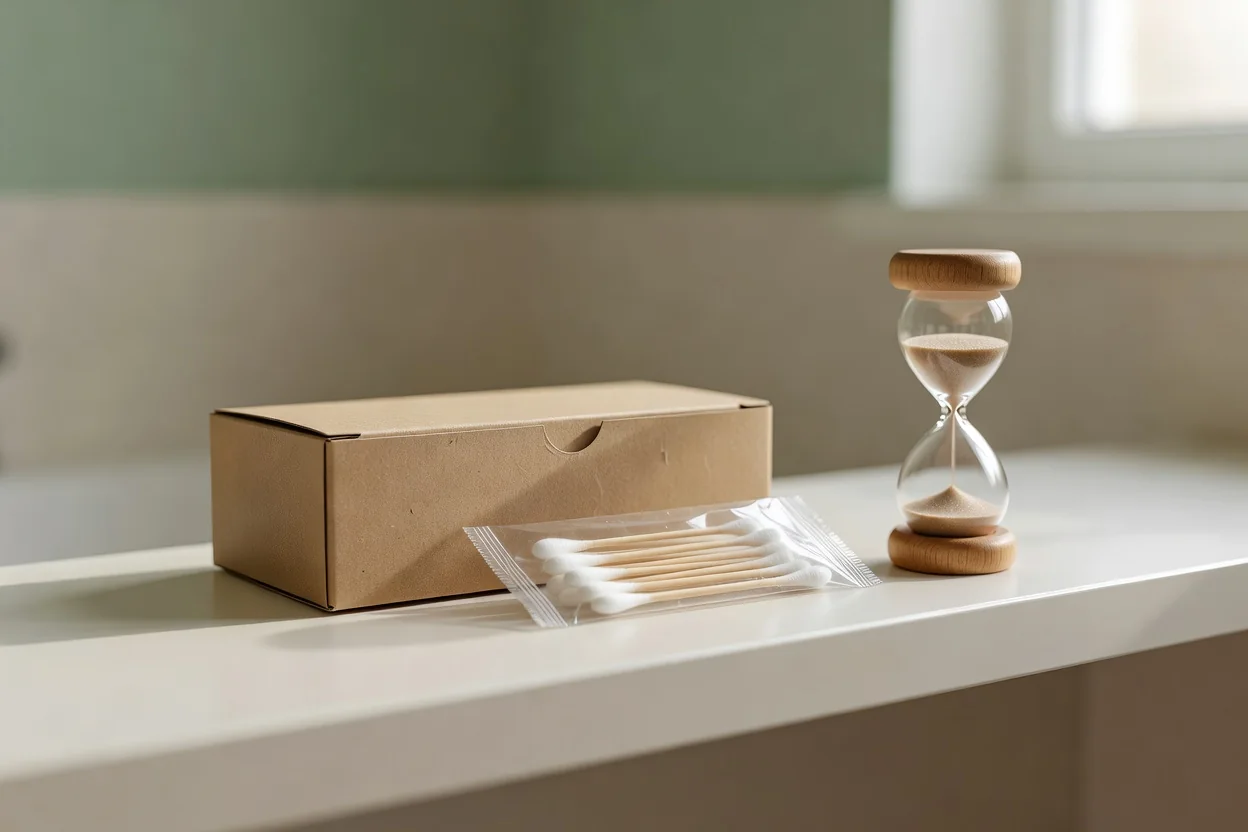
Preparation helps ensure accurate results and reduces mistakes. Choose a quiet, well-lit space where you will not be interrupted. Read the entire instruction leaflet that comes with your kit before opening any components. Check the expiration date and gather a timer, tissues, and a small plaster if using a finger-prick test. Wash and dry your hands thoroughly.
Decide in advance what you will do after seeing the result, whether reactive or non-reactive. Have the contact details of a local health facility ready. Some people find it helpful to have a trusted friend available by phone, even if they test alone. Avoid eating, drinking, or using oral products for the recommended time before an oral-fluid test.
Reading the result within the instructed time window
Most self-test kits require you to read the result at a specific time, often between 15 and 40 minutes after adding the sample. Reading too early or too late can lead to incorrect interpretation. Set a timer as soon as you start the test and stay nearby. Look for clear control and test lines or other indicators exactly as described in the instructions.
A clear non-reactive result within the correct window usually means no HIV antibodies were detected at that moment. Keep in mind the window period for antibody tests. If you tested soon after a possible exposure, you may need to repeat the test later. Always follow the manufacturer’s exact timing rather than guessing.
What a reactive result does and does not mean
A reactive self-test result shows that the test has detected something that could indicate HIV, but it is not a final diagnosis. This result always needs confirmatory testing at a health facility where more accurate laboratory methods are used. A reactive result does not necessarily mean you have HIV, as false positives can occur, especially in low-prevalence settings. It also does not tell you about your viral load or stage of infection.
Stay calm and follow through with the next steps. Confirmatory testing will give you clear answers and connect you to care quickly if needed. Modern treatment is highly effective, allowing people to live long, healthy lives. A reactive self-test simply means it is time to seek professional verification and support rather than a reason to panic.
Finding confirmatory testing and support locally
After a reactive self-test, contact a local clinic, sexual health service, or hospital laboratory for confirmatory testing. Many facilities offer same-day or rapid follow-up testing along with counselling. Healthcare workers are trained to explain results clearly and help you understand options for treatment or prevention. Support groups and community organisations can also provide practical guidance during this time.
Even with a non-reactive result, you can still reach out to services for prevention advice, including information on when to test again. Local services often link people to ongoing care, partner notification support if appropriate, and resources that fit their individual situation. Building a relationship with a trusted clinic makes future testing and health decisions easier.
- Read instructions completely before starting
- Choose a private, well-lit testing space
- Use a timer for the exact reading window
- Have local clinic contact details ready
- Wash hands thoroughly before finger-prick tests
- Avoid eating or drinking before oral-fluid tests
| Test Type | Sample Used | Window Period Consideration | Next Action if Reactive |
|---|---|---|---|
| Oral fluid self-test | Swab from gums | Longest for antibodies | Confirm at clinic |
| Finger-prick self-test | Blood drop | May detect earlier than oral | Confirm at clinic |
| Laboratory antigen/antibody | Blood draw | Shorter than self-test | Immediate care linkage |
| Nucleic acid test | Blood draw | Earliest detection | Specialist follow-up |
| Repeat self-test | Same as initial | After full window period | Confirm if still reactive |
Regular self-testing can be an empowering part of staying informed about your health when combined with professional services. This guide is for educational purposes only and is not a substitute for medical advice. Personal decisions about testing and care should always be made with a qualified healthcare professional.