
Condoms and Safer Sex: The Basics That Still Matter
Condoms continue to play a central role in HIV prevention even as other tools have become available. When used consistently and correctly, both external male condoms and internal female condoms are highly effective against HIV, according to CDC and WHO guidance. They remain the only single method that also protects against most other sexually transmitted infections and unintended pregnancy. For many people this combination of benefits still makes condoms a practical everyday choice.
Safer sex is not about perfection. It is about building simple habits that reduce risk while keeping intimacy possible. Knowing how to choose, store, and use condoms properly removes much of the guesswork. Adding regular testing or PrEP where appropriate creates layered protection that fits real lives. Millions of people combine these steps successfully every day.
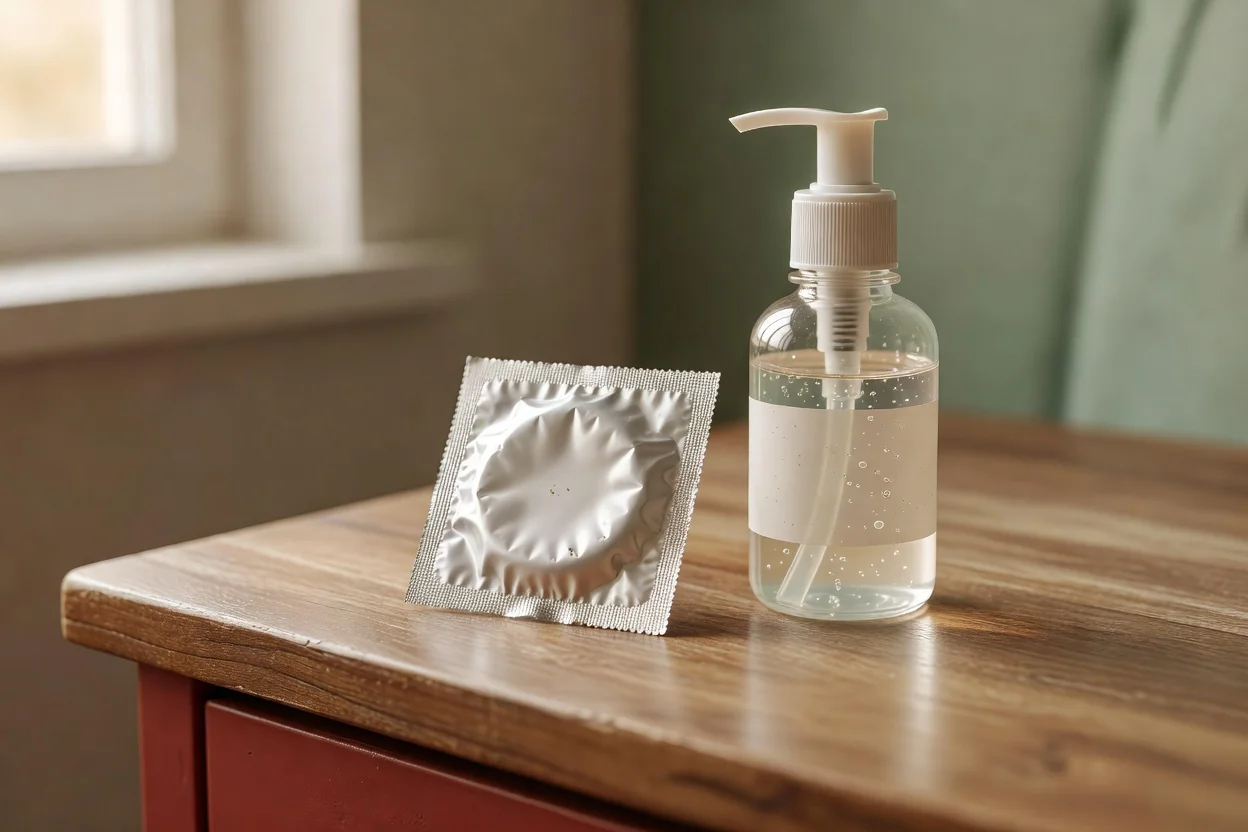
Choosing and storing condoms correctly
Look for condoms that carry standard quality marks and check the expiry date printed on every pack and individual wrapper. Store them in a cool, dry place away from direct sunlight or radiators. Heat can weaken the material, making tears more likely during use. Keep them in their original wrappers until the moment they are needed.
Avoid keeping condoms in wallets, car glove boxes, or pockets for long periods. Friction and temperature changes can damage them. Replace any condom that shows signs of brittleness, stickiness, or discoloration before use.
Steps for correct condom use
Before anything else, ensure the condom is the right way up. Pinch the tip to leave half an inch of space for semen, then roll it smoothly down the erect penis. If it will not unroll easily, it is probably inside out; start again with a new condom. Use only water-based or silicone-based lubricants. Oil-based products degrade latex and should never be used with latex condoms.
After ejaculation, hold the base of the condom while withdrawing to prevent slippage. Remove it carefully, tie the open end, and dispose of it in the bin. Never reuse a condom or switch between partners without a fresh one. These simple actions keep protection levels high.
Talking with partners about condom use
Many people worry that suggesting a condom will kill the mood or create conflict. Framing the conversation around shared care often helps. Simple phrases such as “I want us both to feel safe” or “I always use condoms until we know each other’s status” keep the tone positive. Most partners respond better to calm confidence than to apology or pressure.
Discussing testing and PrEP together can make the conversation feel like teamwork rather than restriction. When both people understand the facts, decisions become easier and trust grows. Practising the words in advance removes much of the awkwardness the first few times.
Combining condoms with PrEP and testing
PrEP is highly effective at preventing HIV but offers no protection against other sexually transmitted infections. CDC guidance therefore recommends that people taking PrEP continue to use condoms when they want to avoid those additional infections. The two tools work well side by side rather than replacing each other.
Regular HIV testing keeps the picture clear. Knowing your own status and your partner’s status lets you make informed choices. Many people establish a routine of testing every three to six months while continuing to use condoms consistently. This layered approach provides both peace of mind and broad protection.
Common questions about safer sex
- Can internal and external condoms be used together
- What to do if a condom breaks during sex
- How long before sex should you put on a condom
- Are flavoured condoms safe for vaginal sex
- Can you use lotion if you run out of proper lubricant
- When should you consider adding PrEP to your routine
| Method | HIV Protection | Other STI Protection | Pregnancy Protection |
|---|---|---|---|
| External condom | Highly effective when used correctly | Strong | Strong |
| Internal condom | Highly effective when used correctly | Strong | Strong |
| PrEP alone | Highly effective against HIV | None | None |
| Condoms plus PrEP | Maximum layered protection | Strong | Strong |
| Testing plus condoms | Informed choices plus barrier | Strong | Strong |
Access is rarely the barrier people expect. Many clinics, community organizations and youth centres hand out condoms free of charge, and pharmacies stock them without any prescription or age questions in most places. Keeping a small supply at home, in a bag and with a partner removes the awkward last-minute search that so often leads to skipped protection. Community health workers can also demonstrate correct use privately and answer questions that feel too embarrassing for a busy clinic appointment, which makes consistent use far more likely over time.
Condoms and open conversations about safer sex remain reliable foundations that adapt to different relationships and stages of life. This guide is for educational purposes only and is not a substitute for personalised medical advice; your choices should be made together with a qualified healthcare professional.