Growing Older with HIV: Health After 50
Many people now live well into their later decades after receiving an HIV diagnosis. UNAIDS documents that the share of people living with HIV aged 50 and older is growing as treatment extends lives. With modern care, the years after 50 can remain full of purpose, activity and connection rather than fear. Regular check-ups and healthy daily habits help keep complications at bay so that HIV becomes only one part of a larger, ordinary life.
Studies in high-income settings show life expectancy for people on sustained effective treatment now approaches that of the general population. After 50 the body changes gradually for everyone, yet those living with HIV benefit from earlier attention to common age-related conditions. Working closely with your healthcare team turns these shifts into manageable steps instead of surprises. The focus stays on staying independent, active and hopeful for many good years ahead.
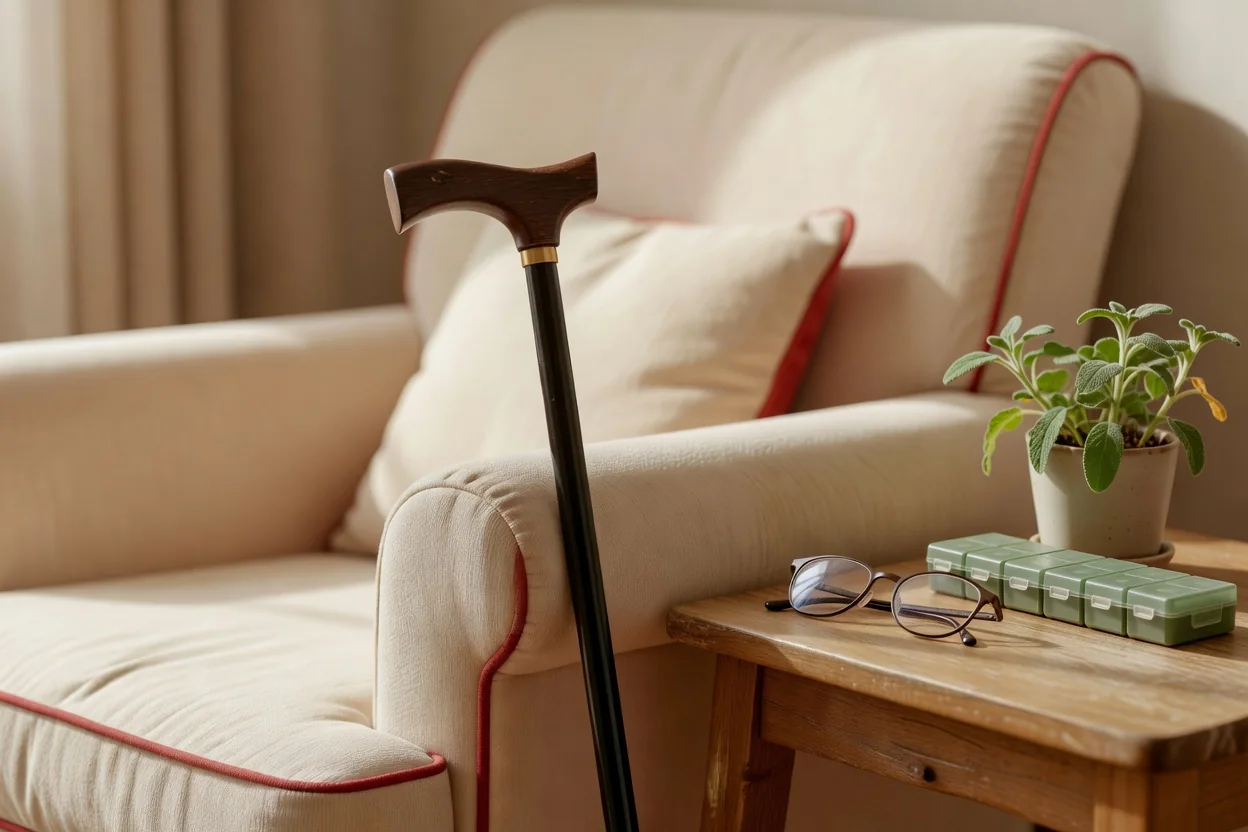
What changes after 50
After age 50 the immune system and metabolism shift even when HIV is well controlled. Bone density may decrease, blood vessels can stiffen, and kidney function often declines slowly. These changes happen to many adults, yet guidelines highlight earlier screening for cardiovascular disease, bone density loss, kidney function and certain cancers in aging people with HIV. Knowing this allows simple preventive steps such as adjusted exercise, nutrition and timely tests.
HIV itself no longer drives rapid illness when treatment keeps the virus undetectable. The main task becomes balancing normal aging with the extra monitoring that HIV care recommends. Most people notice only gradual differences in energy or joint comfort that respond well to steady routines. Regular conversations with your care team keep small issues from growing larger.
Staying ahead of age-related conditions
Cardiovascular health deserves earlier attention because both age and long-term HIV can affect arteries. Annual checks of blood pressure, cholesterol and glucose help catch changes early. Bone density scans become useful after 50 to prevent fractures, while kidney tests guide safe medication choices. These screenings fit easily into routine HIV visits and give clear actions rather than worry.
Physical activity remains one of the strongest tools for staying well. Aim for consistent movement that includes strength, balance and aerobic exercise. Eating patterns rich in vegetables, lean protein and calcium support bones and heart alike. Sleep, stress reduction and not smoking add further protection. Together these habits reduce many risks that once seemed inevitable.
Keeping social connections
Strong relationships protect mental and physical health at every age. After 50 some friendships may need renewed effort as work or family roles change. HIV support groups, community centres or volunteer roles offer natural ways to meet others who understand both aging and living with the virus. Staying connected reduces loneliness that can otherwise affect appetite, sleep and motivation to take medicines.
Sharing ordinary moments with friends or family keeps life grounded. Many people find that talking openly about HIV with a few trusted people lifts a hidden weight. Simple routines such as weekly calls, walks or shared meals maintain bonds that matter during health changes or retirement transitions. Social contact also encourages adherence to treatment and follow-up care.
Planning finances and care
Thinking ahead about money and support becomes practical rather than frightening. Review pension options, insurance coverage and possible long-term care costs while still feeling strong. Many regions offer benefits or programmes for older adults that can ease financial pressure. Creating a simple written plan for who to contact if health changes helps everyone feel more secure.
Polypharmacy, or taking many medicines at once, makes regular medication reviews with the care team important. Bring every pill, supplement and over-the-counter product to appointments so interactions and unnecessary drugs can be spotted. Updating a list of emergency contacts, advance directives and preferred care providers gives peace of mind without inviting crisis. These steps let you focus on living rather than constant worry.
Why an HIV diagnosis no longer defines retirement years
Effective treatment has changed the story completely. An HIV diagnosis today does not limit travel, hobbies, relationships or new learning after 50. Many people discover fresh interests, spend time with grandchildren or return to volunteering once health feels stable. The virus becomes a background detail managed by routine pills and check-ups rather than the centre of identity.
Retirement can include the same mix of rest, activity and purpose that anyone else enjoys. Guidelines now treat aging with HIV as a normal part of chronic care instead of a special crisis. With planning and support, the years after 50 often bring greater freedom to enjoy what matters most. Life continues to unfold with ordinary joys and manageable challenges.
- Attend every scheduled check-up
- Move your body most days
- Review all medicines yearly
- Stay connected with friends
- Eat nourishing food consistently
- Keep a simple health notebook
| Health Area | Typical Screening Start | Why It Matters | Simple Daily Support |
|---|---|---|---|
| Heart health | After 40-50 | Earlier checks catch risks | Regular walking |
| Bone strength | Around 50 | Prevents fractures | Strength exercises |
| Kidney function | Ongoing from diagnosis | Guides safe medicines | Adequate water intake |
| Cancer checks | Age-based | Detects changes early | Healthy diet |
| Medication review | Yearly | Avoids interactions | Bring all pills to visits |
Staying informed and working with your healthcare team lets most people enjoy full, active decades after 50 while living with HIV. Nothing here replaces a conversation with your own doctor; treat this text as background reading, not personal medical guidance. Small consistent choices today build the confident, connected future you want tomorrow.